EICMA: booth activations for press, trade and public days
How to choose an EICMA booth activation by audience: press presentations, trade product conversations and public participation. Roles, briefing and measurement.
Plan my EICMA team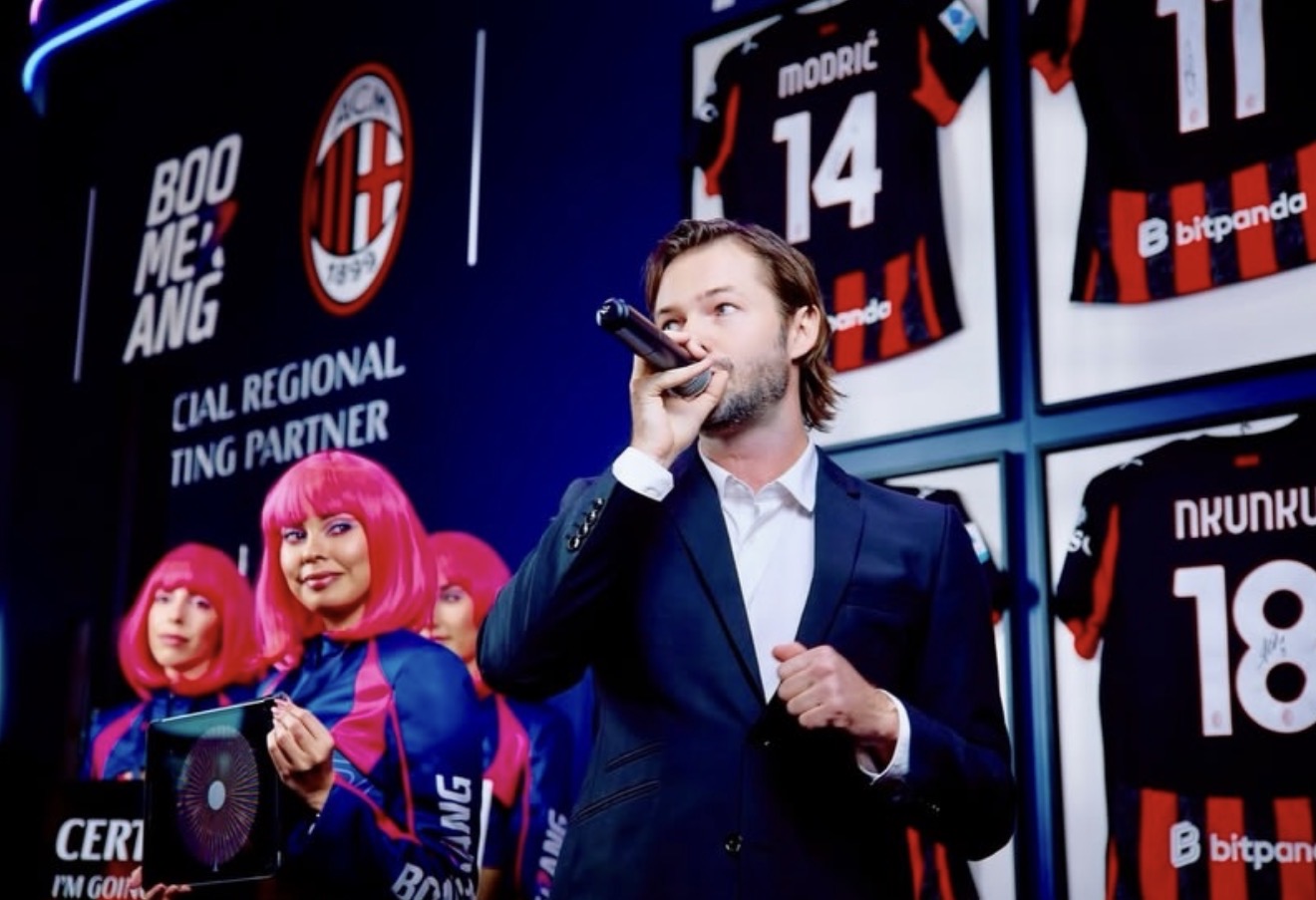
Choose the intended next step.
A presentation that draws a crowd does not necessarily help a trade meeting. At EICMA, decide what should happen after attention is gained: a technical question, a commercial appointment or a product explanation. Choose the format around that objective rather than noise or crowd size.
1. Plan for each audience day, not one universal script
EICMA 2026 separates press and trade access from general-public days. Official information allows press access on 3 and 4 November; trade visitors enter from 13:00 on 3 November and from 08:30 on 4 November. Public opening is 5–8 November. Check the category and conditions of each accreditation with the organiser before booking.
That distinction changes booth service. A trade day may call for a focused explanation and access to a spokesperson; a public day may suit an easy-to-understand interaction that leaves the product visible. Not every journalist or visitor wants the same experience.
2. For press: a presentation with room for questions
To communicate a launch, the presenter needs one approved message, an agreed speaking order and a contact for questions. Reception identifies appointments and directs arrivals; the spokesperson validates specifications, claims and information that may be shared.
Avoid repeating a show during an interview or routing attendees through the spokesperson’s area. Agree a duration suited to the content, a start signal, a waiting point and a procedure for stopping or rescheduling. There is no universal reveal duration or implied technical permission to move vehicles.
3. For trade: product, enquiry and next action
An explanation desk, visual aid or approved demonstration should clarify one concrete difference: intended use, range, service or solution. Staff can ask an orientation question and connect the visitor with the specialist. They do not independently interpret certifications or confirm compatibility, capabilities or contracts.
Instead of giving every visitor a gift, define what the commercial contact needs to continue: purpose of the visit, product reference and agreed action. Contact information follows the authorised process. Participation is not automatically a qualified opportunity and a scanned badge is not a sale.
4. For public days: participation visibly linked to the product
A photo point, branded interaction or hosted explanation can help when visitors understand what they are seeing and the next step. Check that the attraction does not hide the motorcycle, obstruct an aisle or turn waiting into a barrier for people who want to ask a question.
Where a proposal involves sitting on a vehicle, handling equipment or taking a test, the exhibitor’s responsible contact defines whether it is permitted, who supervises and under what conditions. Entertainment and reception do not replace technical staff, security or manufacturer instructions. Image and participation conditions are reviewed with the client rather than improvised.
5. Compare three formats before choosing
Microphone presentation: appropriate when an approved message needs explanation and a spokesperson is available for questions. Review sound, sightlines and meeting coordination. The ICE photo illustrates that real role rather than proving EICMA experience.
Guided product explanation: appropriate when discussion needs a specialist and visitors can follow a short route. Staff manage access and referrals; they do not act as mechanics or decide technical answers.
Participation or photo point: appropriate when the brand connection and participation procedure are clear. Define what happens after the interaction. A long queue may indicate insufficient capacity rather than greater effectiveness.
6. Rehearse the audience change with a planning example
Fictional planning example, not a Wira case: a brand wants to present a new product to press and then explain its uses to the public. The rehearsal separates appointment reception, spokesperson, presenter and technical owner. Test what happens if an interview is still running when the next session should start.
An approved alternative might delay the session, retain an individual explanation or open another reception position. Rehearse messages and handovers with test names; actual journalist and visitor lists are unnecessary.
7. Measure the intended journey, not just footfall
For press: questions referred to the spokesperson and requests for approved materials. For trade: relevant enquiries, accepted meetings and follow-up actions. For public visitors: voluntary participation, completed explanations and product questions. Record waiting and drop-off to identify friction.
Compare equivalent service periods and record changes in format, staff, location or audience. Without that distinction, results cannot be attributed to an activation. These proposed measures are evaluation criteria; the article reports no measured results and guarantees no sales.
To scope EICMA staffing, send the audience-day category, location, objective, product, simultaneous duties, languages, resources and responsible contacts. Review space and conditions with production before confirming service.
Official dates and source
Edition and audience-day information checked 24 October 2026. Review current accreditation and exhibitor conditions before confirming service.
Questions about an EICMA activation
Should the same activation run every day at EICMA?
Not necessarily. Audience and objectives differ across press, trade and public days. Select the format and staffing around the intended next action while respecting organiser conditions.
What can staff do during a demonstration?
Welcome, direct, organise turns and communicate the approved script within agreed scope. Vehicle operation, technical answers, safety and commercial commitments belong to their specific responsible parties.
Do the photographs show an EICMA case?
No. The archive photograph shows a presenter and team at ICE Barcelona. It illustrates the presentation role and is not attributed to EICMA or a motorcycle launch.
How can an activation be evaluated?
Set the objective first and record the next step: relevant questions, completed explanations or accepted meetings. Separate footfall, participation, contacts and enquiries. Commercial impact is not established without comparable data.